
Stump Grinding in Pensacola: What Happens to That Stump After Your Tree Is Gone?

Arbor Care and Handyman Service LLC
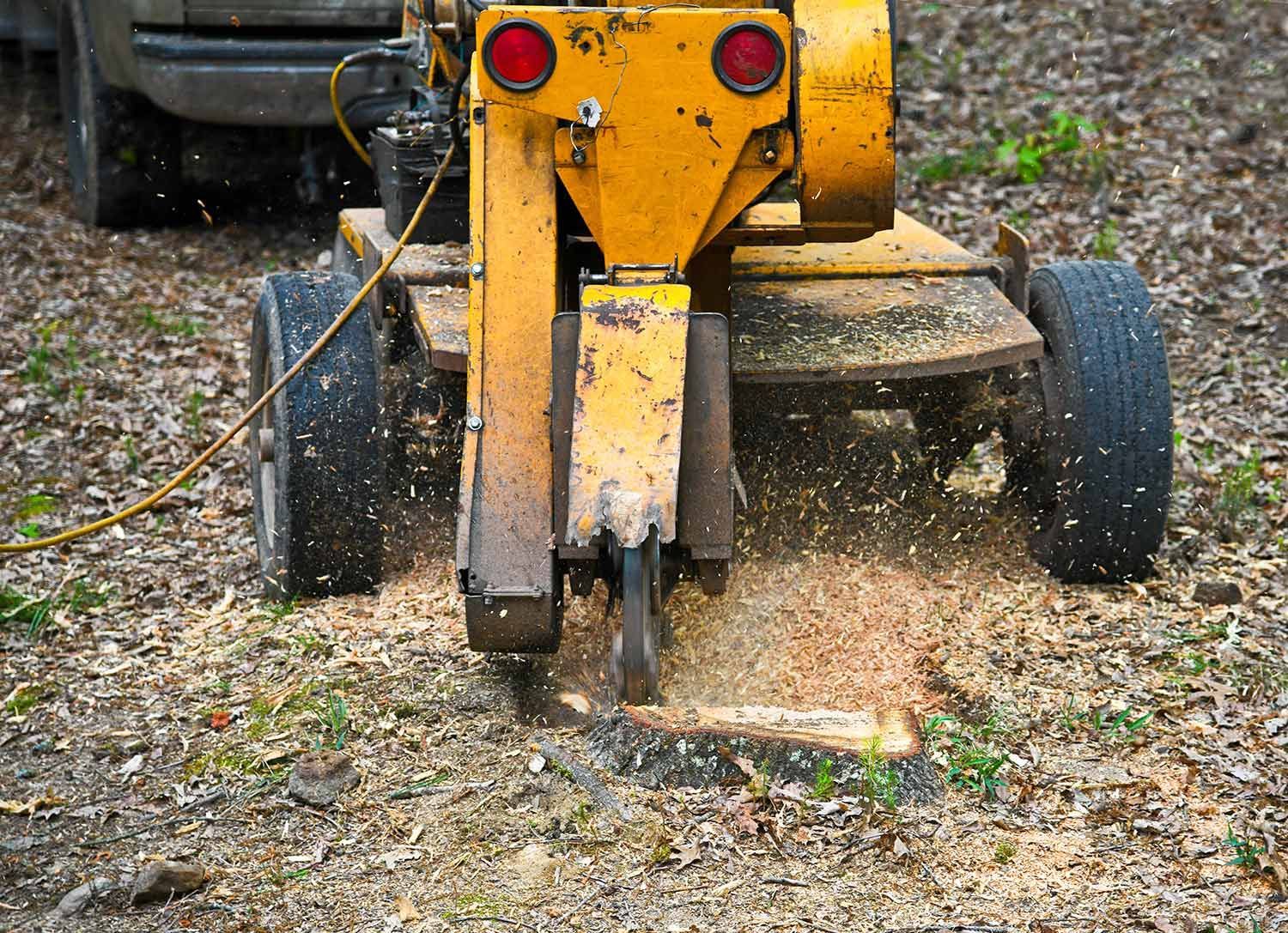
Stump grinding on backyard

By Arbor Care and Handyman Service LLC | Serving Pensacola, FL & the Gulf Coast


You finally had that old pine taken down. The tree is gone, the debris is hauled away, and your yard looks cleaner already. But there it is: the stump. Flat-topped, slightly rough, sitting in the middle of your lawn like a forgotten reminder of the tree that used to be there.


A lot of homeowners reach this point and assume the stump will "just rot away eventually." The reality is more complicated — and more inconvenient. Here's what you need to know about stump grinding in the Pensacola area, why leaving stumps in place is often a bigger problem than it seems, and how to think about the decision.

What Happens If You Leave a Stump in Place?

Leaving a stump in your yard might seem like the path of least resistance, but it comes with some real downsides that typically get worse over time.

It becomes a pest habitat. A decomposing stump is prime real estate for wood-boring beetles, carpenter ants, termites, and other insects. In the Florida climate, warm, humid, and insect-abundant year-round a stump can become a pest hub relatively quickly. If you're within 30 or 40 feet of your home's foundation, that's a concern worth taking seriously.

It will sprout. Many tree species, especially oaks, send up root sprouts from the stump for years after removal. These sprouts are drawing energy from the remaining root system and constantly cutting them back is an ongoing nuisance. Left unchecked, they can grow into sizeable secondary shoots.

It's a lawn care obstacle. Mowing around a stump adds minutes to every lawn session and creates those annoying turf-free dead zones. It's also a tripping hazard for children and guests, and an obstacle for any landscaping work you might want to do.

It occupies valuable space. A stump and its above-ground root flare can take up more usable space than you'd think. If you want to plant something new, install sod, lay a patio, build a fence, or expand your garden, the stump is squarely in the way.

It detracts from curb appeal. If you're thinking about selling your home in the next few years, an old stump is a visual negative that buyers notice. It signals potential pest or maintenance issues and can genuinely affect first impressions.

Stump Grinding vs. Full Stump Removal: What's the Difference?

These two terms are sometimes used interchangeably, but they're different processes with different outcomes.

Stump grinding uses a specialized machine to grind the stump down to several inches below grade typically 6 to 12 inches below the surface. What remains is a pile of wood chips and grindings that fill the void. The major roots are left in place underground; they'll decompose naturally over the following years. Stump grinding is faster, less disruptive to the surrounding yard, and the most common approach for residential properties.

Full stump removal involves extracting the entire stump along with the major root ball. This requires heavier equipment typically an excavator, and results in a much larger hole that needs to be backfilled. Full removal makes sense when you're preparing a site for construction, when specific landscaping plans require it, or when the root system poses an ongoing issue. It's more disruptive and generally more expensive than grinding.

For most Pensacola homeowners, stump grinding is the right answer. It's effective, relatively quick, leaves a much smaller footprint, and allows you to replant, sod, or landscape over the area within a reasonable timeframe.

What Happens During Stump Grinding?

The process is straightforward when done by an experienced crew:

  1. The area around the stump is cleared. Rocks, decorative edging, and other objects near the stump are moved to prevent equipment damage.
  2. The grinder is positioned. Commercial stump grinders vary in size from walk-behind units to large tractor-mounted machines for bigger stumps. The grinder cuts the stump down in successive passes.
  3. The stump is ground below grade. The depth depends on your plans — if you're replanting, going deeper is better. Standard residential grinding is typically 6–12 inches below the surface.
  4. The grindings are addressed. The wood chips produced can be left in the hole as fill (they'll compact and settle as they decompose), or they can be raked away. If you're planning to sod the area immediately, you'll want to add topsoil after removing the grindings.
  5. Cleanup. A professional crew will rake the area clean and haul away debris, leaving the spot ready for your next use.

What Can You Do with the Space After?

Once the stump is ground and the area is filled and settled, your options open up considerably:

  • Resod or reseed the area with St. Augustine, Bahia, or Zoysia grass — common choices in the Pensacola region.
  • Plant a new tree in the same general area, though you'll want to allow 6–12 months for root decomposition if planting in the same spot.
  • Install landscaping — garden beds, shrubs, ornamentals.
  • Build or extend a patio, walkway, or driveway.
  • Fence the area — one of our most common stump-to-fence projects combines grinding with new fence installation in a single visit.


Speaking of which…

Combining Stump Grinding with Other Home Improvements

One of the advantages of working with Arbor Care is that we handle both tree and handyman services. If you're already having a tree removed and stump ground, it often makes sense to knock out other outdoor projects at the same time saving you the hassle of scheduling multiple contractors.


Some combinations we do regularly:

  • Stump grinding + fence installation. A tree comes out, the stump is ground, and the fence is installed all as a single coordinated project. Common situation: a homeowner wants a clean property line after removing a tree that was near the fence.
  • Land clearing + lot prep. For homeowners with larger parcels, overgrown fence lines, or acreage they want to open up, we combine brush clearing, stump removal, and site prep into one comprehensive project.
  • Storm damage cleanup + roof repair. After a fallen tree, we handle both the tree removal and any minor roof repairs the impact caused. Getting this done with one call saves time and avoids the awkward question of who's responsible for what.
  • Pressure washing + tree trimming. Spring cleanup projects that combine driveway and deck washing with tree and shrub work are popular in the spring.

How Much Does Stump Grinding Cost in Pensacola?

Stump grinding prices vary based on the size of the stump (diameter is the main factor), accessibility (can the grinder reach it easily?), and how many stumps need to be done. Multiple stumps on the same property are often priced more economically per stump than single-stump visits.


Rather than giving ranges that may not reflect your specific situation, we encourage you to just call us for a free, no-obligation estimate. We'll look at the stump, discuss your plans for the space, and give you a straight number with no hidden fees.

Ready to Finally Deal with That Stump?

At Arbor Care and Handyman Service LLC, stump grinding is one of our most frequently requested services and one where we can typically get to you quickly. We serve the entire Pensacola metro area, Gulf Shores, Foley, Daphne, Elberta, and surrounding communities throughout Escambia, Santa Rosa, and Baldwin Counties.


Our owner, Eric, is on-site for every job. Free estimates, fair prices, complete cleanup.


📞 Call or text: (850) 826-6787 http://arborcaretreepensacola.com/ 

Recent Posts

Stormy coastal house with tall palm trees swaying at dusk
By Arbor Care and Handyman Service LLC July 29, 2026
By Arbor Care and Handyman Service LLC | Serving Pensacola, FL & the Gulf Coast Every spring, Gulf Coast homeowners go through their hurricane prep checklist: shutters, generators, water, nonperishables. But one of the most impactful, and most overlooked — items on that list is the trees in your yard. Trees are among the most common causes of property damage during tropical storms and hurricanes. According to the Florida Forest Service, wind-thrown trees and falling limbs account for a significant portion of hurricane-related property insurance claims each year. The good news: proper tree care before storm season can dramatically reduce that risk. This guide covers what to do, and what not to do, to give your trees the best chance of surviving a Gulf Coast storm while protecting your home and family.
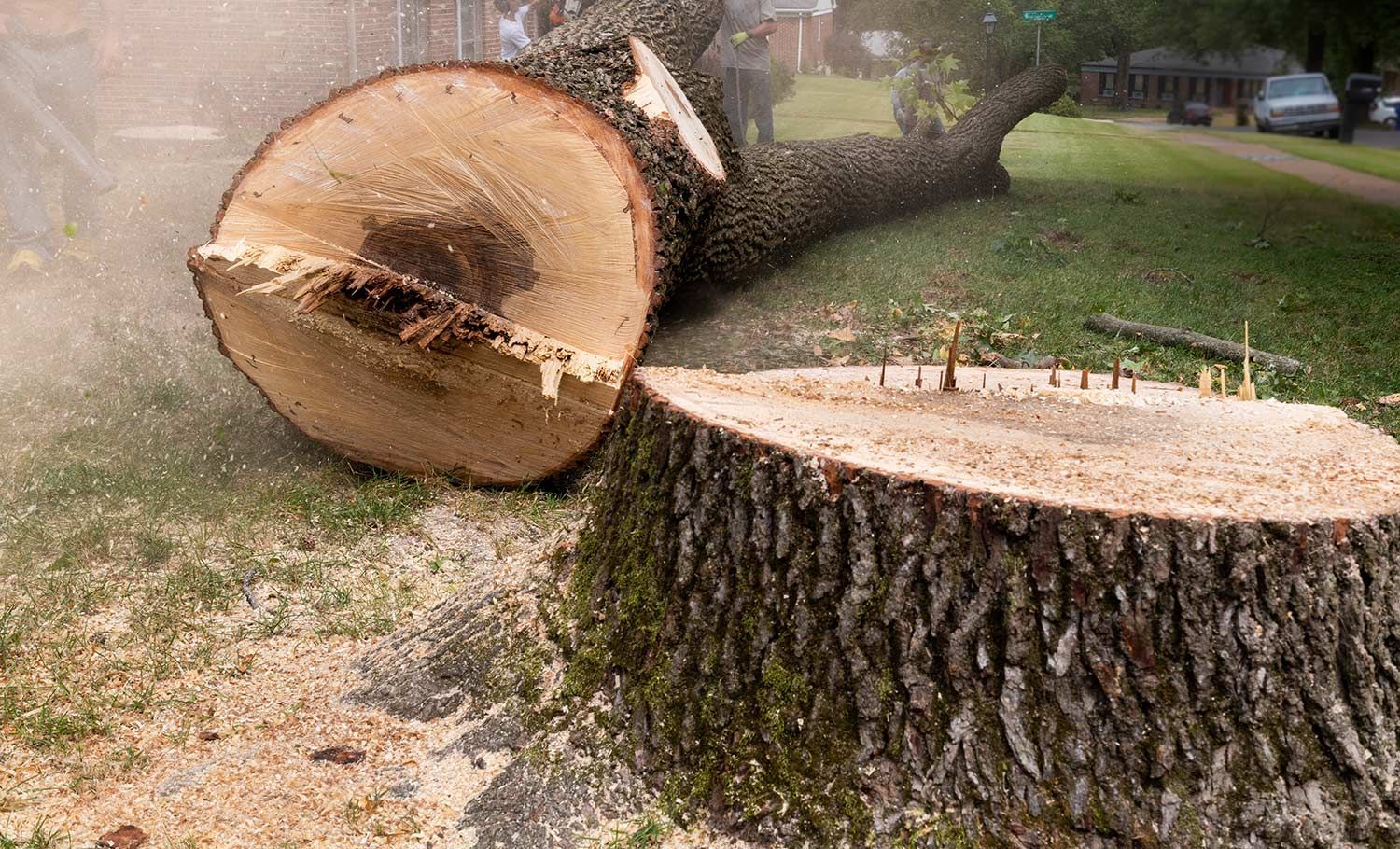
Fallen tree trunk on a grassy lawn, with a large cut log section in the foreground
By Arbor Care and Handyman Service LLC July 29, 2026
By Arbor Care and Handyman Service LLC | Serving Pensacola, FL & the Gulf Coast A massive oak crashes through a living room roof during a summer thunderstorm. A neighbor's fence gets crushed by a rotted pine that "looked fine" from the street. These aren't just scary stories — they're real outcomes that play out every storm season across Escambia and Santa Rosa Counties. The Gulf Coast's combination of sandy soil, salt air, extreme heat, and hurricane-force winds puts trees under enormous stress year-round. What looks like a healthy tree in the front yard can be quietly failing underground or inside its trunk. The problem is, most homeowners only think about tree removal after something goes wrong. After 25+ years of emergency response, hazard removals, and routine tree work across Pensacola, Gulf Shores, and Baldwin County, we've seen the same warning signs over and over again — signs that almost always precede a catastrophic failure. Here's what to look for.