How to Hurricane-Proof Your Trees: A Gulf Coast Homeowner's Guide

By Arbor Care and Handyman Service LLC | Serving Pensacola, FL & the Gulf Coast
Every spring, Gulf Coast homeowners go through their hurricane prep checklist: shutters, generators, water, nonperishables. But one of the most impactful, and most overlooked — items on that list is the trees in your yard.
Trees are among the most common causes of property damage during tropical storms and hurricanes. According to the Florida Forest Service, wind-thrown trees and falling limbs account for a significant portion of hurricane-related property insurance claims each year. The good news: proper tree care before storm season can dramatically reduce that risk.
This guide covers what to do, and what not to do, to give your trees the best chance of surviving a Gulf Coast storm while protecting your home and family.
Why Gulf Coast Trees Are Particularly Vulnerable
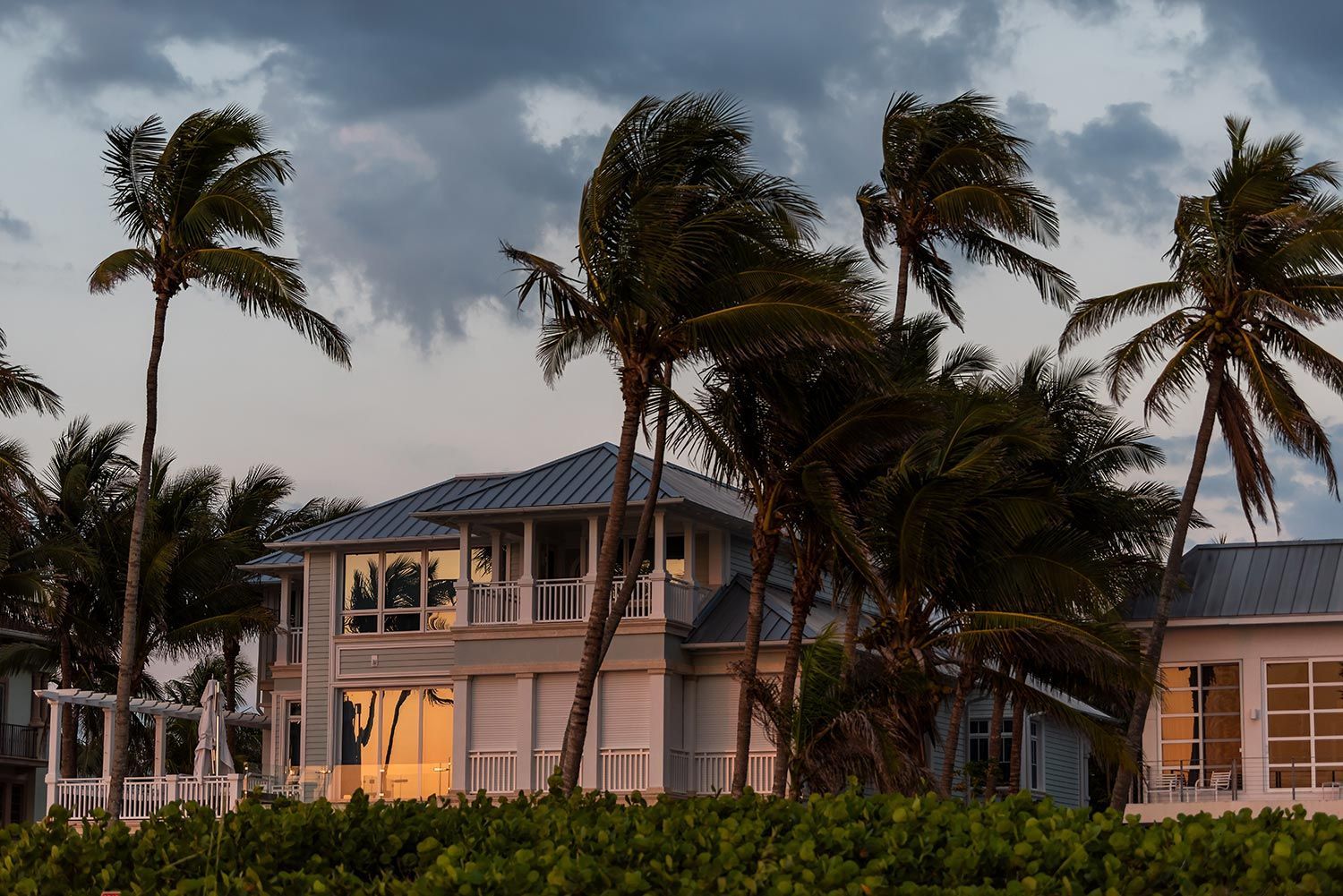
The trees in Pensacola, Gulf Shores, Foley, and surrounding areas face a uniquely challenging environment:
Sandy, shallow soil. Much of coastal Florida and Alabama sits on sand-based soils that drain quickly and don't provide the deep root anchoring you'd find in clay-heavy inland soils. A tree with a wide, shallow root system in saturated sandy soil is prone to "wind throw” uprooting entirely rather than breaking.
Salt air exposure. Coastal trees endure constant salt spray, which desiccates foliage, stresses root systems, and weakens overall structure over time. Salt-stressed trees are less resilient under wind load.
Heavy rainfall before winds. Tropical systems typically dump enormous rainfall before peak winds arrive. Saturated soil massively reduces root grips that a tree that might withstand dry conditions can topple when the ground is waterlogged.
High humidity and disease pressure. Our climate is ideal for fungal pathogens and wood-boring insects that compromise structural integrity from within.
Understanding these factors helps explain why proactive tree management, not reactive emergency calls, is the smart approach for Gulf Coast homeowners.
The Right Way to Prep Trees for Hurricane Season
Start with a Pre-Season Inspection
Before trimming anything, have a qualified arborist assess your major trees. A professional can identify:
- Internal decay or cavities not visible from the ground
- Root damage or instability
- Co-dominant (forked) stems with weak attachment points
- Signs of disease, pest damage, or dieback
- Trees are already at risk of failure regardless of storm conditions
At Arbor Care, we offer free on-site assessments. An hour spent with an experienced arborist is genuinely worth far more than the same time spent trimming based on guesswork.
Remove Deadwood Thoroughly
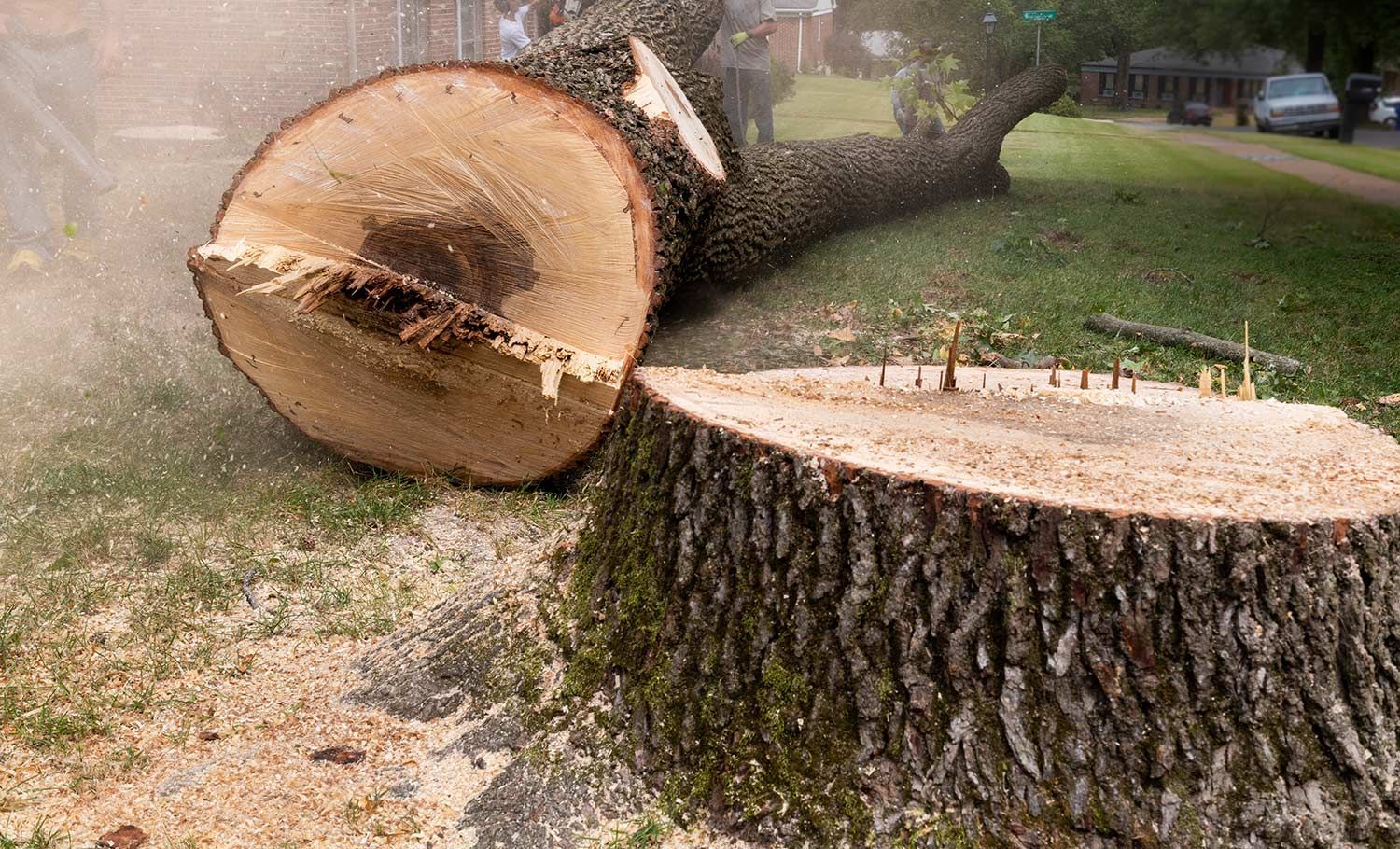
Dead branches are projectiles. During a storm, dead limbs detach under far lower wind loads than healthy wood, they're already structurally compromised, and the dynamic forces of a hurricane can launch them long distances.
Before each storm season, have all significant deadwood removed from trees near your home, driveway, vehicles, outdoor living areas, and utility lines. This should be a non-negotiable item on your annual maintenance checklist.
Thin the Canopy — But Don't "Lion's Tail"
Reducing crown density allows wind to pass through the canopy rather than acting on it like a sail. Thinning by 20–30% can meaningfully reduce the force a tree must withstand.
However, there's an important caution here: avoid "lion's tailing," which is the practice of stripping interior branches and leaving foliage only at the tips of long limbs. This is unfortunately a common shortcut used by less experienced crews. Lion's tailing actually makes trees more vulnerable to wind damage by:
- Creating long, heavy lever arms at branch tips
- Concentrating all the wind load at the ends rather than distributing it
- Encouraging epicormic growth (weak shoots) near cuts that fail easily
Proper crown thinning removes select branches throughout the canopy, maintaining natural structure while reducing density.
Correct Structural Problems
Co-dominant stems, two or more main trunks of roughly equal size competing for dominance are common failure points in wind events. Where the trunks meet, bark often becomes included between them, creating a weak, wedge-shaped union that can split catastrophically.
Young trees can sometimes be guided away from this pattern through early pruning. Mature trees with problematic co-dominant stems may need bracing, cabling, or in some cases removal, depending on the situation.
Consider Removing High-Risk Trees Entirely
Some trees present risks that cannot be adequately mitigated through pruning. If a tree:
- Is in significant decline or near death
- Has a large cavity or significant internal decay
- Is severely co-dominant with included bark
- Has failed roots or leans toward a structure
- Is a large, over-mature specimen in a vulnerable position
...the calculus may simply favor removal before hurricane season. Losing a tree proactively is a setback. Losing a tree through your living room is a catastrophe.
What NOT to Do Before a Storm
Don't top your trees. Tree topping, indiscriminately cutting back the main branches to stubs — is one of the most harmful things you can do. It creates massive open wounds prone to disease and decay, stimulates the growth of weak, fast-growing shoots ("watersprouts") that attach poorly, and destroys the tree's natural structural integrity. Topped trees are often more dangerous after a few growing seasons, not less. No legitimate arborist recommends topping.
Don't wait until a storm is days away. By the time a named storm is in the Gulf, you've missed your window for meaningful preparation. Cut limbs left on the ground become dangerous projectiles. Rushed crews working under pressure make mistakes. Storm-season prep should happen in the April–May window before hurricane season officially begins June 1.
Don't ignore smaller trees. It's easy to focus on the massive live oaks and pines while ignoring medium-sized trees. But a 20-foot ornamental that fails can still punch through a roof or hit a vehicle. Apply the same evaluation criteria to all trees near structures.
After the Storm: Emergency Response
Even with excellent preparation, major storms sometimes cause damage. A fallen tree or large limb on your home, vehicle, or fence requires prompt response, not just to protect property, but because structural damage left exposed invites further water intrusion and secondary damage.
Arbor Care offers emergency storm response throughout Escambia, Santa Rosa, and Baldwin Counties. If you're dealing with storm damage, call us directly at
(850) 826-6787 — we respond as quickly as possible to urgent situations.
Get Ready Before the Season — Free Assessment Available Now
The best time to think about storm-season tree prep is before the season arrives. If you're in the Pensacola, Gulf Shores, Foley, Daphne, or surrounding area, our team at Arbor Care and Handyman Service LLC can provide a free on-site evaluation of your trees and give you an honest assessment of what, if anything, needs to be done.
Our owner Eric is on every job. You get 25+ years of hands-on Gulf Coast experience, not a salesperson.
📞 (850) 826-6787 | http://arborcaretreepensacola.com/
Don't let storm season catch your trees unprepared.
Recent Posts