7 Warning Signs You Need Tree Removal in Pensacola — Before It's Too Late

By Arbor Care and Handyman Service LLC | Serving Pensacola, FL & the Gulf Coast
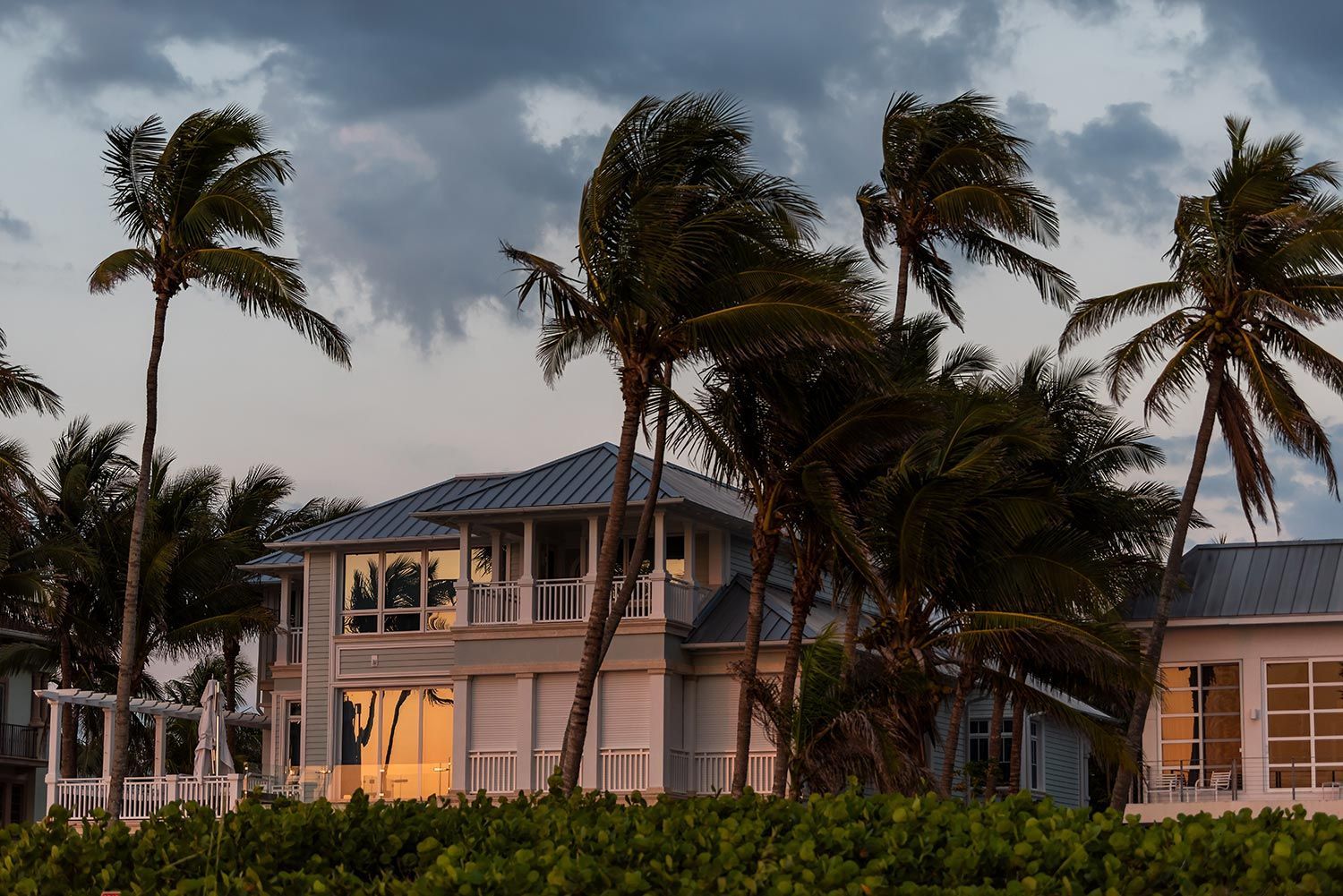
A massive oak crashes through a living room roof during a summer thunderstorm. A neighbor's fence gets crushed by a rotted pine that "looked fine" from the street. These aren't just scary stories — they're real outcomes that play out every storm season across Escambia and Santa Rosa Counties.
The Gulf Coast's combination of sandy soil, salt air, extreme heat, and hurricane-force winds puts trees under enormous stress year-round. What looks like a healthy tree in the front yard can be quietly failing underground or inside its trunk. The problem is, most homeowners only think about tree removal after something goes wrong.
After 25+ years of emergency response, hazard removals, and routine tree work across Pensacola, Gulf Shores, and Baldwin County, we've seen the same warning signs over and over again — signs that almost always precede a catastrophic failure. Here's what to look for.
1. The Tree Is Leaning — and It Wasn't Before
Not all leaning trees are dangerous. Trees that have grown at an angle over decades have often adapted structurally and are relatively stable. What's alarming is a tree that has recently begun to lean, or one that leans at more than 15 degrees from vertical.
A new lean typically signals root failure — the roots are no longer anchoring the tree adequately. In Pensacola's loose, sandy soil, this can happen faster than you'd expect, especially after heavy rainfall that saturates the ground and reduces root friction.
If you notice a sudden lean toward your house, driveway, or power lines, call an arborist immediately. This is not a "wait and see" situation.
2. Fungal Growth at the Base
Mushrooms or bracket fungi growing at the base of a tree or on the trunk aren't just cosmetic. They're the visible sign of internal wood decay, and by the time you can see the fruiting bodies on the outside, the decay inside is often extensive.
Fungal decay destroys the structural integrity of the wood from within. A tree may look full-canopied and healthy from a distance while being completely hollow or weakened at its core. This is one of the most dangerous failure modes because there's no external warning before collapse.
Common fungi to watch for in our region include shelf (bracket) fungi, honey mushrooms clustered at the base, and white or yellow mushroom clusters near root flares.
3. Dead Wood in the Crown
Scattered dead branches in the upper canopy what arborists call "dieback” can be a warning sign of root disease, pest infestation, or systemic health decline. A tree that's losing branches from the top down is often under severe stress.
Dead branches, called "widow makers," are particularly dangerous because they can fall without warning, even on calm days. If more than 25–30% of your tree's crown appears dead or dying, the tree's long-term structural integrity is seriously compromised.
On the Gulf Coast, laurel wilt disease (affecting red bay and sassafras), pine bark beetles, and various boring insects are common culprits behind rapid dieback. Don't assume it's just drought stress without having the tree assessed.
4. Cracks, Splits, or Cavities in the Trunk
Vertical cracks running along the trunk, horizontal splits, or visible cavities (hollows) in the main stem are serious structural red flags. Multiple trunks that split from a single point — called co-dominant stems with included bark, are especially prone to catastrophic splitting under wind load.
Hollows don't automatically mean removal is needed; a tree can survive with some internal cavity if the outer "shell" of wood is sound. But cavities larger than a third of the trunk's diameter, or cavities accompanied by other warning signs, typically indicate it's time for removal.
5. Root Damage or Disturbance
Root systems extend far beyond what's visible, often 2 to 3 times the radius of the canopy. When construction, paving, trenching, or even extended drought damages a significant portion of a tree's root system, the tree can decline rapidly.
Signs of root problems include:
- Yellowing or sparse foliage
- Premature fall color
- Small, stunted leaves
- Soil heaving or lifting near the base
- Exposed roots that appear dark, soft, or rotted
In coastal areas like Pensacola Beach and Gulf Shores, saltwater intrusion after storm surge can also kill root systems in trees that appear otherwise healthy.
6. The Tree Is Dead
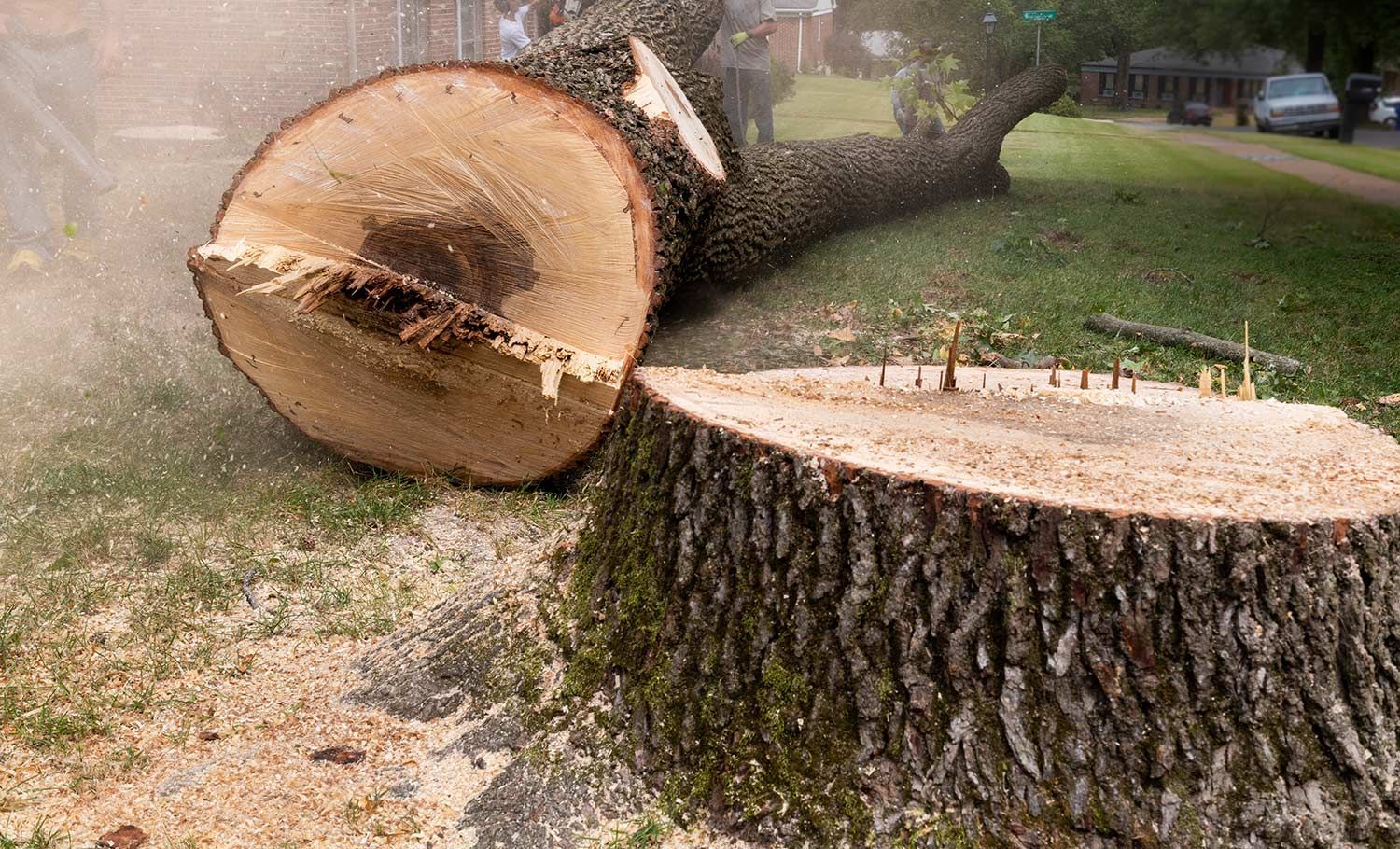
This one seems obvious, but many homeowners leave dead trees standing far longer than is safe. A dead tree is a falling tree — it's just a question of when. With no living tissue to maintain structural integrity, dead wood becomes increasingly brittle and unpredictable.
In Florida, a dead tree can go from "standing" to "down" in a single afternoon thunderstorm. If the tree is near your home, power lines, vehicles, or anywhere people gather, removal should not be delayed.
7. Storm Damage Has Compromised the Structure
After a major storm, it's worth having any significantly damaged trees professionally assessed before assuming they'll recover. Missing large limbs, bark striping from lightning, or a partial uprooting can leave a tree in a compromised structural state that isn't always obvious from the ground.
At Arbor Care, we respond to emergency storm situations throughout Escambia, Santa Rosa, and Baldwin Counties. We can assess whether a damaged tree can be safely saved with corrective pruning or whether removal is the safest path.
When in Doubt, Get a Free Assessment
One of the most important things you can do as a homeowner is have large trees near your home evaluated by an experienced arborist, especially before hurricane season each June.
At Arbor Care and Handyman Service LLC, we offer completely free estimates with no obligation. Our owner, Eric, is on-site for every job, so you're getting a hands-on expert assessment rather than a sales pitch from a subcontractor.
We serve Pensacola, Pensacola Beach, Gulf Shores, Foley, Daphne, Elberta, and surrounding communities in Escambia, Santa Rosa, and Baldwin Counties.
📞 Call or text us at (850) 826-6787 or visit: http://arborcaretreepensacola.com/ to request your free quote.
Don't wait for the storm to make the decision for you.
Recent Posts